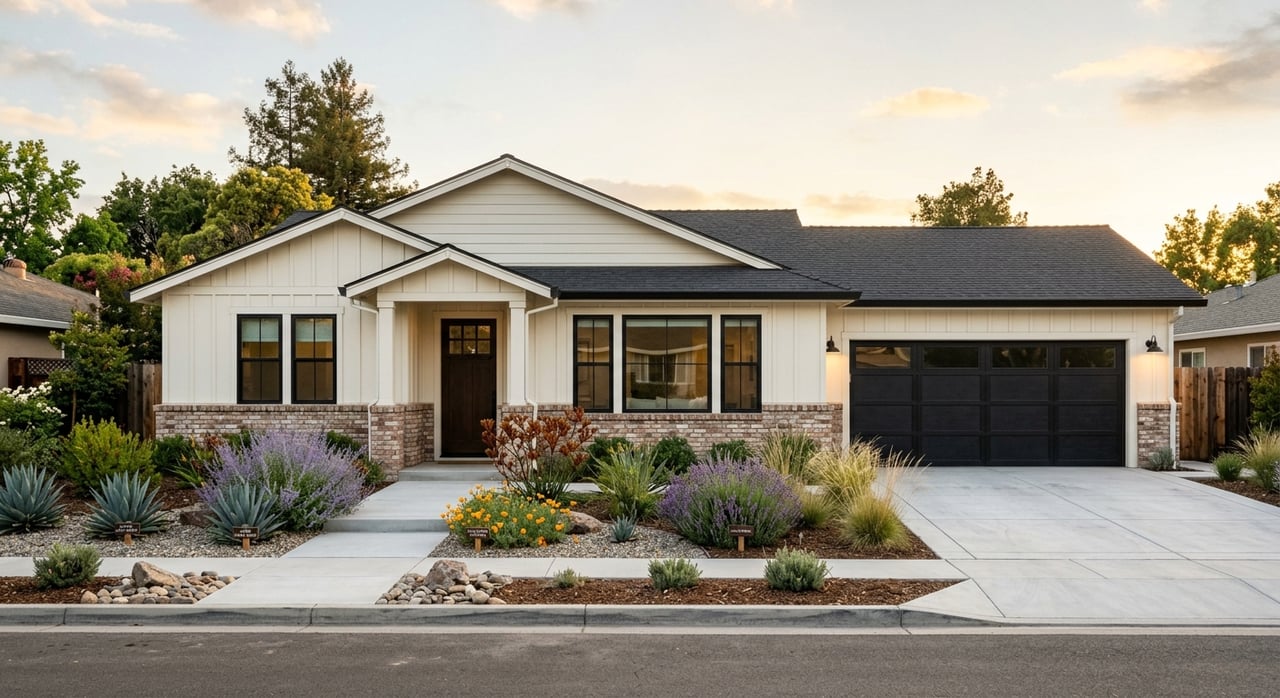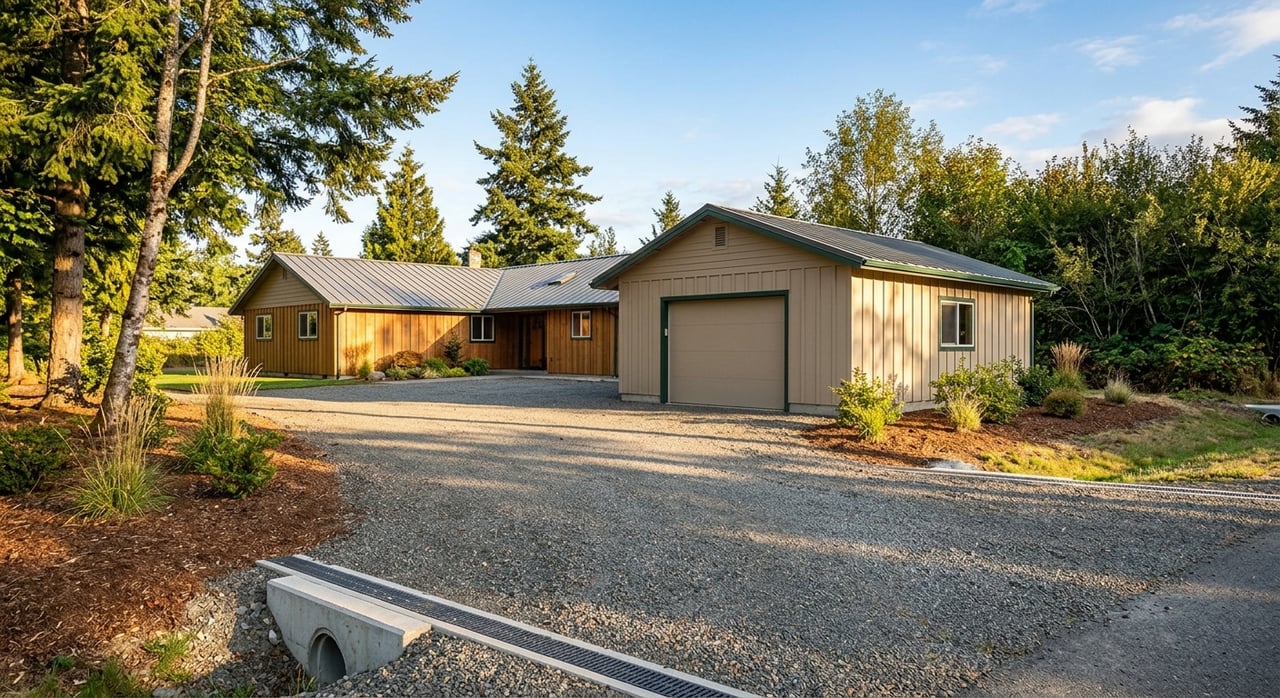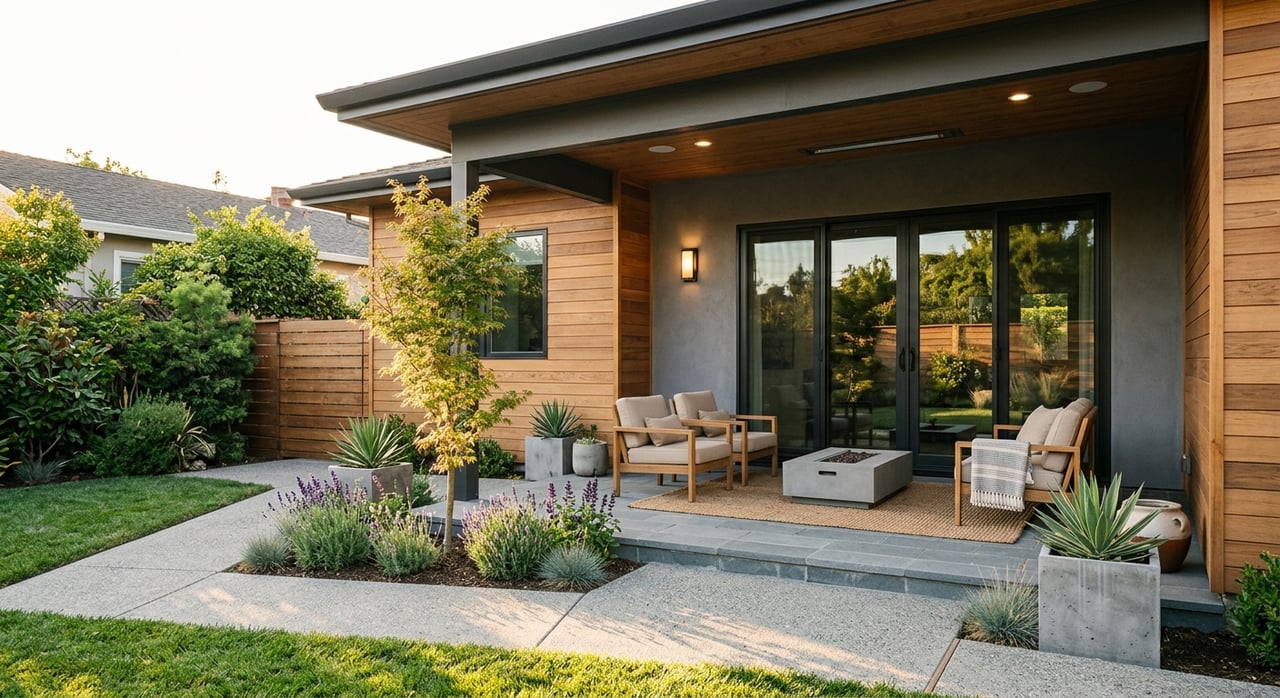
Thinking about buying a newer home in Phoenix, Oregon? It can be an appealing option, especially if you want modern systems, lower-maintenance features, and a home that may be closer to current building standards than much of the city’s older housing stock. But in Phoenix, the age of the house is only part of the story. You also need to look closely at the lot, permit history, wildfire and flood considerations, and how the home is priced against the current market. Let’s dive in.
Why newer construction stands out in Phoenix
Phoenix has a mixed housing stock, and that matters when you start comparing homes. In the city’s 2024 natural-hazard addendum, 27% of homes were reported as built before 1970, 58% were single-family homes, and 17% were mobile homes. That means a newer or rebuilt home may offer a very different ownership experience than an older property nearby.
Phoenix has also seen major rebuilding after the Almeda Fire. The city reported that 561 housing units were destroyed or damaged, and as of that 2024 update, 338 residential rebuild permits had been issued. If you are shopping in Phoenix today, some of the “newer construction” you see may be part of that post-fire rebuilding effort.
How newer homes may differ from older homes
One of the biggest advantages of newer construction is that it is usually closer to today’s code baseline. The City of Phoenix says its building department reviews plans and conducts inspections for projects within city limits, and it issues building, fire, plumbing, heating and cooling, and electrical permits.
Oregon’s current residential energy rules are found in Chapter 11 of the 2023 Oregon Residential Specialty Code, which became effective October 1, 2023, and mandatory April 1, 2024. These standards regulate things like insulation, windows, HVAC design, lighting, and other energy-related features. In simple terms, a newer or rebuilt home may have better energy performance than older housing stock.
That said, “newer” does not always mean identical. The real standard depends on when the permit was issued and which requirements were in place at that time. Two homes built only a few years apart may still differ in efficiency, resilience features, or site-specific requirements.
Why lot location matters just as much
In Phoenix, lot conditions can matter as much as the house itself. Two homes with similar layouts and finishes can have very different long-term costs and risk factors depending on where they sit.
The city’s floodplain rules say new development in flood-prone areas must meet current standards. That may include elevating the structure or utilities and providing an elevation certificate. Phoenix also says slopes greater than 35% are considered unbuildable except as allowed by code.
For you as a buyer, this means the smart question is not only “How new is the home?” It is also “What kind of lot is this, and what rules or risks apply here?” A flat infill lot may present a different maintenance and insurance picture than a site in a flood-prone area or on steeper ground.
Wildfire should be part of your home search
Wildfire is a major local issue in Phoenix. The city’s emergency-management page lists wildfire among the city’s most probable natural hazards, so it makes sense to evaluate a property with that reality in mind.
The Oregon State Fire Marshal says defensible space is a key mitigation tool, and the first five feet around the home are especially important. Phoenix also promotes defensible-space assessments, and the state offers a $250 incentive in eligible wildfire-vulnerable communities.
A newer home may have an advantage if it was built under more current standards, but wildfire readiness is still about more than the build date. The condition of the lot, nearby vegetation, exterior materials, and the immediate space around the house all deserve your attention.
What to look for outside the home
When touring a newer or rebuilt property in Phoenix, pay close attention to the site itself. A quick visual review can tell you a lot before you go deeper into disclosures and inspections.
Look for:
- Clearance and maintenance in the first five feet around the home
- Drainage patterns around the lot
- How close vegetation sits to the structure
- Whether the lot appears flat, sloped, or potentially low-lying
- Signs that utilities and exterior systems were thoughtfully placed
Insurance should be evaluated property by property
One of the biggest mistakes buyers make is assuming that a newer house automatically means simpler insurance. In Phoenix, insurance should be evaluated lot by lot, not just home by home.
Oregon’s Division of Financial Regulation says homeowners insurance typically covers fire, smoke, and ash, while flood insurance is separate. Phoenix participates in the National Flood Insurance Program, and the city notes that more than 25% of NFIP claims are filed by properties outside the 100-year floodplain.
That last point is especially important. Even if a property is not in the most obvious flood zone, you should still ask smart questions early. The Division of Financial Regulation also says a new NFIP policy usually takes 30 days to take effect, so if flood coverage may be relevant, start that conversation well before closing.
Energy efficiency may be a real advantage
For many buyers, one of the most practical benefits of newer construction is efficiency. Oregon’s residential code regulates the building envelope and mechanical systems, which can affect comfort and operating costs.
The state also maintains a Reach Code, which is an optional above-code energy standard for builders and buyers who want higher performance. Not every newer home will be built to that level, but it is worth asking what specific efficiency features were included.
In a side-by-side comparison, features like newer insulation, windows, HVAC systems, and lighting may help a newer home stand apart from older options. That does not mean every newer home is the better deal, but it does mean you should compare total value, not just list price.
How Phoenix pricing fits the Rogue Valley
Price always matters, especially when newer homes often come with a premium. In March 2026, Phoenix’s median sale price was $389,000, down 2.4% year over year.
That places Phoenix above White City at $331,500, but below Medford at $400,800, Central Point at $405,000, Talent at $467,000, and Eagle Point at $510,000 on the market snapshots provided. In other words, Phoenix sits in a mid-priced spot within the Rogue Valley.
That can make Phoenix attractive if you want a newer or rebuilt home without stretching into some of the higher nearby price points. Still, you will want to compare any premium for newer construction against the city’s current pricing ceiling and the specific benefits that home actually delivers.
What to verify before you make an offer
In Phoenix, the difference between a strong newer home and a risky one often comes down to documentation. A clean, well-documented rebuild or recent build can offer peace of mind. A home with missing details or unclear approvals deserves a closer look.
Oregon law requires contractors working on real-property improvements to be licensed with the Construction Contractors Board. The state says buyers should verify CCB licenses and, where applicable, Building Codes Division licenses before work begins.
For new homes, Oregon contractors must also offer a written new-home warranty and a maintenance schedule. Warranty terms can vary by builder and may cover structural defects, major systems, and workmanship, so it is smart to review the exact documents instead of relying on general descriptions.
Your Phoenix newer-home checklist
Before you write an offer, ask for or verify:
- Permit history
- Final inspection status
- Whether floodplain rules affected the build
- Any hillside or slope-related constraints
- Defensible-space condition around the home
- Utility and drainage design
- The builder’s written warranty documents
- The maintenance schedule provided for the home
- Contractor licensing information where applicable
A newer home is not automatically the better buy
It is easy to assume that newer means better, but that is not always true. In Phoenix, the best purchase is usually the one that combines solid construction, clear documentation, a manageable lot, and pricing that makes sense for today’s market.
Some newer or rebuilt homes will offer strong value through modern systems, updated standards, and lower-maintenance site conditions. Others may be priced higher without enough practical benefit to justify the premium. That is why careful comparison matters.
If you are buying in Phoenix, it helps to look at the whole picture. Age matters, but so do permits, lot conditions, insurance questions, wildfire readiness, and how the home fits the local market.
If you want a clear, local perspective while comparing newer construction in Phoenix and across the Rogue Valley, Rachel White can help you sort through the details and move forward with confidence.
FAQs
What counts as newer construction in Phoenix, Oregon?
- In Phoenix, newer construction can include recently built homes as well as homes rebuilt after the Almeda Fire. What matters most is when the home was permitted and which building standards applied at that time.
Why does lot location matter when buying a newer Phoenix home?
- Lot location matters because floodplain rules, slope constraints, drainage, and wildfire exposure can affect risk, insurance, maintenance, and long-term value, even if the home itself is newer.
Are newer homes in Phoenix more energy efficient?
- They often can be, because Oregon’s current residential code regulates insulation, windows, HVAC design, lighting, and other energy features. Still, the exact efficiency level depends on the home’s permit date and build details.
Do Phoenix buyers need to think about wildfire and flood insurance?
- Yes. Oregon says homeowners coverage typically handles fire, smoke, and ash, while flood insurance is separate. Phoenix also notes that flood claims can happen outside the 100-year floodplain, so both topics deserve early review.
What should buyers verify before making an offer on a newer home in Phoenix?
- Buyers should review permit history, final inspections, floodplain or hillside constraints, defensible-space condition, drainage and utility design, contractor licensing, and the builder’s written warranty and maintenance schedule.