Wondering what will come up when a buyer inspects your rural Eagle Point home? If your property has acreage, a well, a septic system, outbuildings, or a long driveway, your prep work matters even more than it might for an in-town sale. The good news is that a little planning can help you avoid surprises, keep negotiations calmer, and show buyers that your home has been cared for. Let’s dive in.
What a standard inspection includes
A standard Oregon home inspection is a general visual review of the main house. According to the Oregon Construction Contractors Board, inspectors typically look at visible parts of the plumbing, electrical, heating and cooling, insulation, ventilation, siding, windows, doors, roof, attached garage, foundation, and structure.
Just as important, a standard inspection usually does not cover everything on a rural property. Wells, septic systems, underground piping, and swimming pools are generally outside the normal scope. That means buyers in Eagle Point often ask for separate well and septic information in addition to the main inspection report.
Why rural Eagle Point homes need extra prep
Rural properties often come with more moving parts. Buyers may want answers about water quality, septic maintenance, access for emergency vehicles, or whether outbuildings match county records.
That does not mean your sale has to be difficult. It simply means you will be better positioned if you gather records early, handle obvious maintenance items, and make access easy before your home hits the market.
Prepare your well records first
If your property has a domestic well, Oregon law requires water quality testing and disclosure during the real estate transaction. The seller or seller’s representative must test for arsenic, nitrate, and coliform bacteria through an accredited lab, and the results are valid for one year.
These test results are shared along with the Real Estate Transaction form, often called the RET form. If your property has a spring well, an irrigation-only well, or a well on undeveloped land, different rules may apply, but for many rural homes this is a key part of pre-listing preparation.
Well documents to gather
Before listing, it helps to pull together as much well information as possible, including:
- Recent water test results
- The RET form
- The well report
- Well ID paperwork, if needed
- Invoices for pumps, pressure tanks, filters, or water treatment equipment
If your well does not have a well ID label, the Oregon Water Resources Department requires the landowner to apply for and attach one within 30 days of property transfer. It is smart to check that now instead of waiting until the transaction is underway.
Get your septic file organized
In Jackson County, the Oregon Department of Environmental Quality directly permits residential and small-business septic systems through the Medford office. DEQ also states that septic records for Jackson County can be searched online by parcel number, which makes it easier to gather your file before a buyer asks for it.
A septic evaluation is not always required, but Oregon SepticSmart recommends a professional evaluation when buying or selling a home. If an evaluation is completed, the approved Existing System Evaluation Report form must be used.
Septic records buyers often want
For a smoother sale, collect any septic-related paperwork you already have, such as:
- Septic permits
- Site evaluation or as-built records
- Pumping receipts
- Existing system evaluation reports
- Maintenance records
- Service contract paperwork
- Repair permits, if applicable
If your home has an advanced septic system, maintenance requirements may be more involved. DEQ notes that some systems require an active service contract with a certified maintenance provider and annual inspection, and owners must allow access to the system.
Check outbuildings and accessory structures
Barns, sheds, detached garages, shops, and other utility buildings can raise questions during a sale. Jackson County code compliance addresses unpermitted construction, unauthorized land uses, and failure to comply with land-use conditions, so it is worth checking that your structures match available permits, plans, and tax records.
This step can help you avoid a late-stage surprise. If a buyer notices a building that does not appear in the file, they may ask for clarification, permits, or additional review before moving forward.
What to review before listing
Take time to compare your property records with what is actually on site. Focus on:
- Barns and sheds
- Detached garages or shops
- Utility buildings
- Any additions or enclosed areas
- Setbacks or location issues that may affect structures
If you find a mismatch, it is often better to understand it early so you can decide how to address buyer questions with clear information.
Improve driveway access and site safety
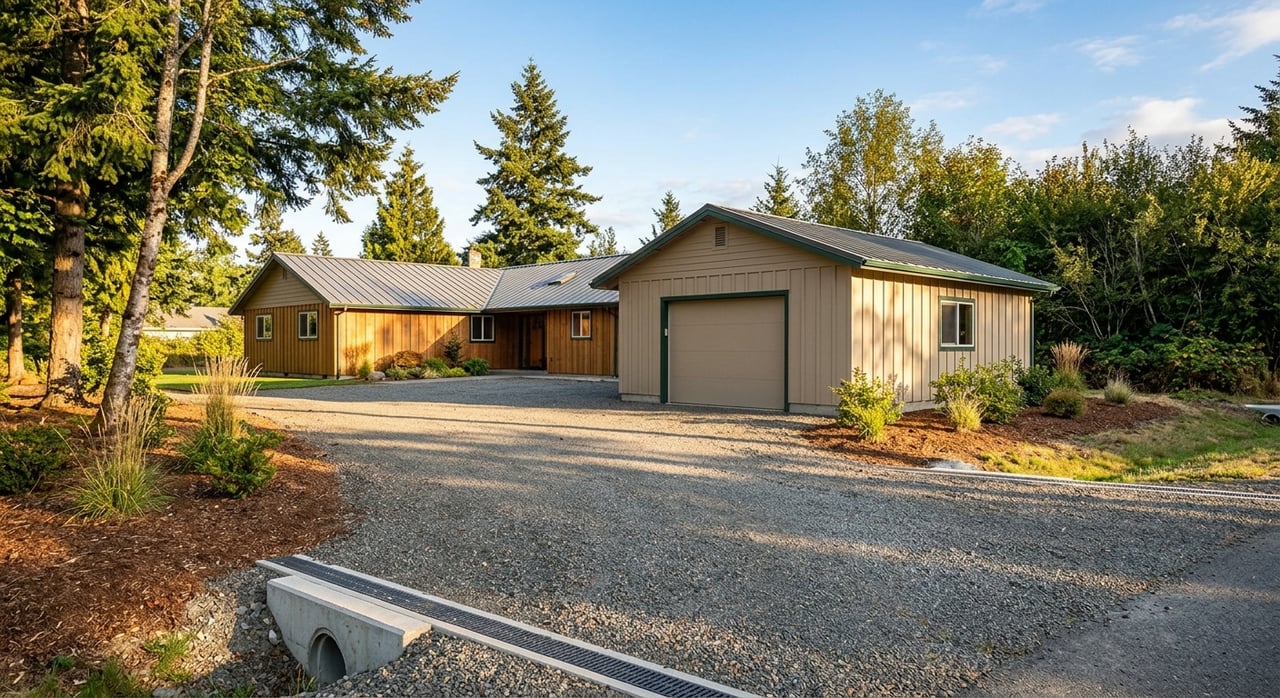
On a rural property, the driveway can become part of the conversation. Jackson County fire-safety materials call for address signs visible from both directions, driveway access within 150 feet of the structure, a minimum 12-foot-wide travel surface, 13.5 feet of vertical clearance, a 22-foot-wide fuelbreak, a 50,000-pound load design, a turnaround within 150 feet of the structure, and gates wide enough for emergency access.
You may not need to make major changes before selling, but you should know how your property compares. At a minimum, it helps to clear overgrowth, make the address easy to spot, and ensure access areas are usable and visible.
Simple access improvements to make
A few practical updates can make your property feel easier to inspect and easier to own:
- Trim branches for better vertical clearance
- Clear vegetation along driveway edges
- Make sure your address sign is easy to read from both directions
- Open and clear turnaround areas
- Check that gates can open fully
- Remove obstacles near access routes
Photographing these features before listing can also be helpful. Good documentation can show buyers that rural access has been taken seriously.
Tidy up wildfire-related maintenance
Wildfire readiness is part of rural property care in Southern Oregon. Jackson County fire guidance highlights clearing dead material, keeping grass under 6 inches, and moving firewood away from structures.
The Oregon State Fire Marshal also emphasizes defensible space, especially in the first five feet around the home. Clearing roof and gutter debris, reducing ladder fuels, and separating vegetation can help your property present better and signal strong overall maintenance.
Fix common inspection trouble spots
Some repair requests show up again and again. A survey summarized by InterNACHI found that the most frequently reported home problems included poor surface grading or drainage, improper electrical wiring, roof damage, heating-system issues, poor maintenance, structural concerns, plumbing defects, exterior flaws, and poor ventilation.
Oregon inspection standards help explain why these items come up so often. Inspectors observe roof coverings and drainage, flashings and visible leaks, plumbing leaks and drainage function, electrical panels and receptacles, GFCI and AFCI operation, smoke and carbon-monoxide alarms, and heating-system controls and vents.
Rural issues that deserve extra attention
In Eagle Point, these common inspection items may show up in more property-specific ways, such as:
- Driveway or site drainage problems
- Crawlspace moisture
- Older electrical service
- Roof wear or visible leak history
- Deferred maintenance around outbuildings
- Ventilation issues in older homes or shops
You do not need to make every possible upgrade before listing. But if you already know about a leak, drainage issue, or electrical concern, taking care of it early can reduce stress later.
Build a pre-listing inspection packet
One of the best ways to prepare is to think like a buyer. If someone asks how the well has tested, when the septic was pumped, or whether the detached shop was permitted, you will want clear answers ready.
A simple property packet can make your home feel more organized and easier to evaluate. It can also help reduce back-and-forth once inspections begin.
Your Eagle Point seller checklist
Use this checklist as a starting point:
- Confirm your standard home inspection prep for the house itself
- Order required well testing if your property has a domestic well
- Gather the RET form and well report
- Check for a well ID label and related paperwork
- Pull septic records by parcel number
- Collect pumping, maintenance, and repair records
- Review any service contract requirements for advanced septic systems
- Compare outbuildings with permits, plans, and tax records
- Improve driveway clearance, signage, and access where needed
- Clean up defensible space, gutters, roof debris, and firewood placement
- Save invoices for drainage, roof, plumbing, electrical, HVAC, and ventilation work
A little prep can protect your sale
When you prepare your rural home for inspections, you are not just checking boxes. You are making it easier for buyers to understand the property, easier for inspectors to do their job, and easier for everyone to move through the transaction with fewer surprises.
In Eagle Point, that often means looking beyond the house itself. Your well, septic system, outbuildings, driveway access, and site maintenance can all shape how buyers feel about the property and how negotiations unfold.
If you are thinking about selling and want a clear game plan for your acreage or rural home, Rachel White can help you prepare, market, and navigate the process with local insight and steady guidance.
FAQs
What does a standard Oregon home inspection cover for an Eagle Point home?
- A standard Oregon home inspection is a visual review of the main house, including visible plumbing, electrical, heating and cooling, insulation, ventilation, siding, windows, doors, roof, attached garage, foundation, and structure.
What does a standard Oregon home inspection usually not cover on a rural Eagle Point property?
- Standard inspections usually do not include wells, septic systems, underground piping, or swimming pools, so buyers may request separate well and septic documentation.
What well testing is required when selling a rural home in Oregon?
- For many homes with a domestic well, Oregon law requires testing for arsenic, nitrate, and coliform bacteria through an accredited lab, with results shared during the real estate transaction and valid for one year.
What septic records should sellers gather for a Jackson County home sale?
- Helpful septic records include permits, site evaluation or as-built paperwork, pumping receipts, evaluation reports, service contract records, and any repair permits.
Why do outbuildings matter during an Eagle Point home sale?
- Buyers may ask whether barns, sheds, detached garages, and other structures match county records, permits, and land-use rules, so reviewing those details before listing can help avoid delays.
What rural access items can affect inspections and negotiations in Jackson County?
- Driveway width, vertical clearance, visible address signage, gates, turnarounds, and cleared access areas can all matter because they relate to emergency access and overall site maintenance.
What are common home inspection issues sellers should fix before listing in Eagle Point?
- Common trouble spots include drainage, electrical issues, roof damage, heating problems, plumbing defects, poor ventilation, and signs of deferred maintenance, especially on larger rural properties.