Wondering what Phoenix, Oregon feels like today? If you have been watching the Rogue Valley or thinking about a move within Jackson County, Phoenix stands out as a small city with a big recovery story. You can find community roots, active rebuilding, and a wider range of housing options than many buyers expect. Let’s dive in.
Phoenix today at a glance
Phoenix describes itself as the heart of the Rogue Valley, set between Ashland and Medford. That location is a big part of its appeal because you can enjoy a smaller-town setting while staying close to jobs, shopping, services, and recreation across the region.
The city’s 2022 PSU population estimate was 3,900, and Phoenix says recent housing development and annexations could push that number closer to 6,000 by 2027. That tells you Phoenix is not standing still. It is a community that is growing while continuing to shape its future through local planning and redevelopment.
Phoenix’s Community & Economic Development department handles permits, land-use review, floodplain work, and long-range planning. For buyers and sellers, that matters because it shows rebuilding and infill are moving through a formal local process rather than happening in a piecemeal way.
Rebuilding remains part of Phoenix
Phoenix’s identity today is still closely tied to post-Almeda Fire recovery. You can see that in the city’s ongoing projects, housing efforts, and public planning work.
One clear example is the Highway 99 and Bear Creek Greenway corridor re-visioning project, which focuses on the fire-impacted area. This is a sign that rebuilding is not only about replacing housing, but also about improving how parts of the city function and connect over time.
Another important community space is Phoenix Plaza Civic Center, completed in 2018. It now serves as a hub for City Council meetings, civic activity, and community rentals, which helps anchor day-to-day public life as the city continues to recover and grow.
Everyday life in Phoenix
If you are considering a move, lifestyle matters just as much as housing. Phoenix offers a practical blend of local amenities and regional access, which is one reason it continues to attract interest.
The city says it has 35 acres devoted to parks. Local options include Blue Heron Park, Colver Road Park, and Otto Caster Park, along with access to the Bear Creek Greenway.
The Bear Creek Greenway is an 18-mile paved multi-use trail linking Ashland, Talent, Phoenix, Medford, and Central Point. Nearby parks offer features like restrooms, drinking water, playgrounds, and picnic areas, which makes the trail system useful for both recreation and everyday outings.
Phoenix also benefits from the broader Rogue Valley lifestyle. The city highlights dry-warm summers, cool-wet winters, and access to hiking, rafting, skiing, golfing, live music, theater, and wine tasting. For many buyers, that means Phoenix can work well as a home base with easy reach to the rest of the valley.
Community services and local access
Phoenix offers a handful of everyday services that can make a smaller city feel more connected and convenient. These are the kinds of details many buyers want to know before narrowing down where to live.
Jackson County Library Services operates a Phoenix branch as part of its 15-branch county system. The Phoenix branch has been described as offering study and meeting space along with programming, which adds another layer of local community access.
The Phoenix-Talent School District has elementary and high school facilities in Phoenix, and Armadillo Technical Institute is also located in town. The city also notes that Rogue Community College and Southern Oregon University are an easy commute by car or bicycle.
Phoenix housing options are broader than many expect
A lot of buyers assume small cities offer mainly detached single-family homes. In Phoenix, the housing picture is more varied.
According to the city’s housing element, manufactured homes are allowed on lots in low-density residential zones and are not subject to special siting requirements beyond the same rules used for site-built homes. That is meaningful if you are looking for more attainable ownership options or want to keep an open mind about home types.
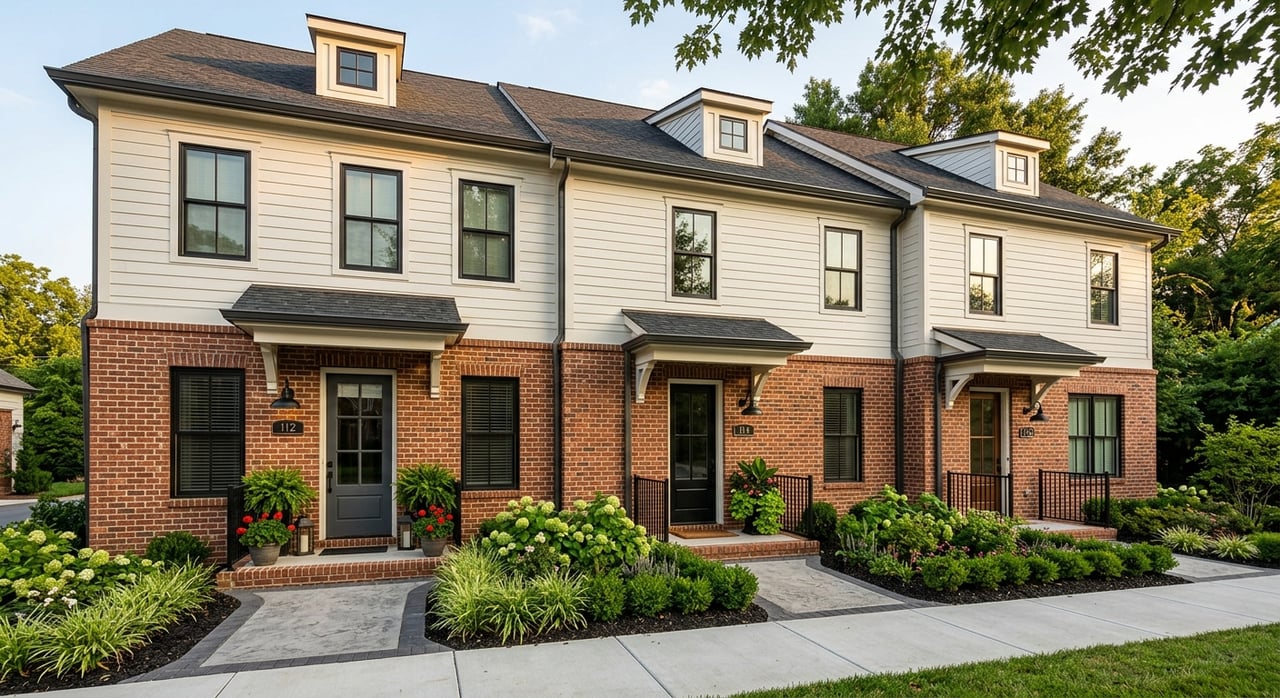
The same housing analysis points to several housing types that matter in Phoenix, including manufactured homes on individual lots, apartments, duplexes or quadplexes, townhomes, and single-family homes. In plain terms, Phoenix is not just a one-note market. You may find options that fit different budgets, life stages, and goals.
Rebuilding is adding housing supply
Phoenix’s current development pipeline shows that recovery and new supply are connected. The city lists Pacific Flats as a 72-unit affordable project under construction and Phoenix Corner as an 88-unit affordable project with community amenities.
The city also notes a separate infrastructure project that will extend sewer, water, and stormwater service to an 88-unit affordable housing site along Grove Road. Projects like these matter because they help expand the housing base during a period of recovery and growth.
Royal Oaks remains an important recovery story
Royal Oaks continues to be one of the clearest symbols of post-fire housing recovery in Phoenix. In a 2025 FAQ, Oregon Housing and Community Services said repair and rehabilitation work was underway.
That same update said roughly three dozen prior households were preliminarily eligible, and the project’s new homes were expected to carry initial space rent of about $600 per month. For anyone tracking Phoenix’s rebuilding progress, Royal Oaks is a helpful example of how recovery continues to translate into real housing outcomes.
What the current Phoenix market looks like
Phoenix remains a relatively small market, but it is active. Realtor.com reports 25 for-sale listings, a median list price of $400,000, $261 per square foot, a median 43 days on market, and a 99% sales-to-list-price ratio.
Redfin’s Phoenix page shows a February 2026 median sale price of $415,000, down 2.8% year over year. No single data point tells the whole story, but together these figures suggest a market where inventory is limited, pricing spans a wide range, and buyers should be prepared to compare very different property types.
Price range and home types in Phoenix
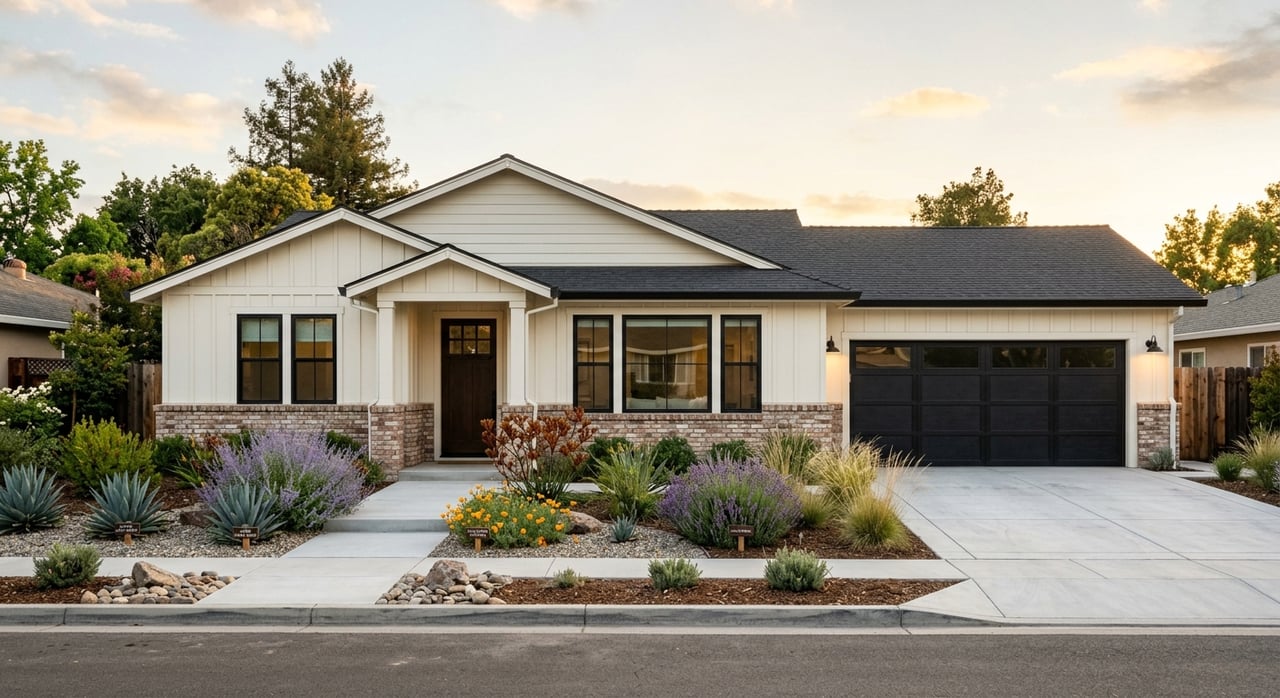
One of the most notable things about Phoenix is the spread of available housing. Current listings cited in the research include manufactured-home park units from roughly $75,500 to $249,900, a detached 3-bed, 2-bath home at $290,000, and a larger 4-bed, 3.5-bath home at $925,000.
That range gives you a sense of how many entry points the city can offer, even in a small market. Depending on inventory at the moment you are searching, you may see manufactured-home community options, resale detached homes, and newer-construction opportunities.
New construction in Phoenix
Zillow’s new-construction page shows seven Phoenix new-home results, many tied to Brian L. Fitterer Inc. and Oak Ridge plans. This gives buyers another lane to explore, especially if you prefer a newer home footprint or lower-maintenance features.
Oak Ridge is one of the clearest current examples. The community describes itself as an all-ages manufactured-home community with a clubhouse, fitness center, pool, spa, and walking paths, and Zillow shows Oak Ridge plans and nearby new-construction listings in the low-$200,000s for homes of about 1,333 to 1,547 square feet.
Why Phoenix appeals to Rogue Valley buyers
For many buyers, Phoenix offers a practical middle ground. You get a city with its own identity, local parks, trail access, and everyday services, while staying close to Medford and Ashland.
You also get a housing story that is more flexible than people often assume. Whether you are searching for a detached home, a manufactured-home community, or a newer and potentially more budget-friendly option, Phoenix gives you more than one path to consider.
That mix can be especially helpful if you are a first-time buyer, downsizing, relocating within Southern Oregon, or trying to balance budget with access to the wider Rogue Valley. Phoenix is still rebuilding, but it is also actively becoming something new.
If you want help sorting through Phoenix neighborhoods, current listings, or the trade-offs between resale and newer housing, Rachel White can help you make sense of the options with clear, local guidance.
FAQs
Is Phoenix, Oregon still rebuilding after the Almeda Fire?
- Yes. The city’s corridor re-visioning work, affordable housing pipeline, and Royal Oaks recovery efforts all show that rebuilding is still active.
What types of homes can you find in Phoenix, Oregon?
- Phoenix includes detached homes, manufactured homes on individual lots, manufactured-home community options, apartments, duplexes or quadplexes, townhomes, and some new-construction opportunities.
What is the current home price range in Phoenix, Oregon?
- Recent market examples range from manufactured-home park units around $75,500 to larger homes listed near $925,000, with market-wide median figures around $400,000 to $415,000 depending on the source and timing.
Why do buyers consider Phoenix, Oregon?
- Buyers are often drawn to Phoenix for its location between Medford and Ashland, park and Greenway access, community services, and a broader mix of housing options than many small cities offer.
Does Phoenix, Oregon have new housing development?
- Yes. The city’s development pipeline includes affordable housing projects such as Pacific Flats and Phoenix Corner, along with infrastructure work supporting another 88-unit affordable housing site and current new-construction listings in the market.