Thinking about a smaller home can feel freeing and overwhelming at the same time. You may want less upkeep, lower monthly costs, or a layout that works better for the years ahead, but it is not always clear where to start. In Medford and the Rogue Valley, downsizing is less about rushing and more about making a smart, well-timed plan. Here’s how to sort through your options, build a practical timeline, and move forward with more confidence.
Why downsizing makes sense in Medford
If you have been wondering whether now is the right time to downsize, the current Medford market supports a thoughtful approach. As of April 2026, Medford had 677 homes for sale, a median listing price of $460,000, a median sold price of $406,000, and a median of 55 days on market.
That kind of balanced market means you usually have a little more room to plan. You may not need to make a snap decision, but you do need a strategy that fits your goals, your budget, and your timing. For many homeowners, that makes downsizing a practical lifestyle decision rather than a rushed one.
Medford’s housing planning also reflects why this topic matters locally. About 65% of households are one- or two-person households, and the city has identified a need for housing that is affordable, physically accessible, and closer to services like healthcare and in-home support.
Start with your downsizing goals
Before you look at homes, take a step back and define what “smaller” really means for you. Downsizing is not only about square footage. It is also about how you want to live day to day.
You might be looking for:
- Less yard work
- Fewer stairs
- Lower utility or maintenance costs
- A simpler floor plan
- Better access to transportation or services
- A home that may need fewer updates later
When you know your priorities, it gets much easier to compare options. A smaller home that still has high upkeep may not solve the problem you are trying to fix.
Compare common downsizing options
In Medford and the Rogue Valley, downsizers often look at a few specific housing types. Each one comes with trade-offs, so it helps to focus on how the property fits your daily routine and long-term comfort.
Single-level homes
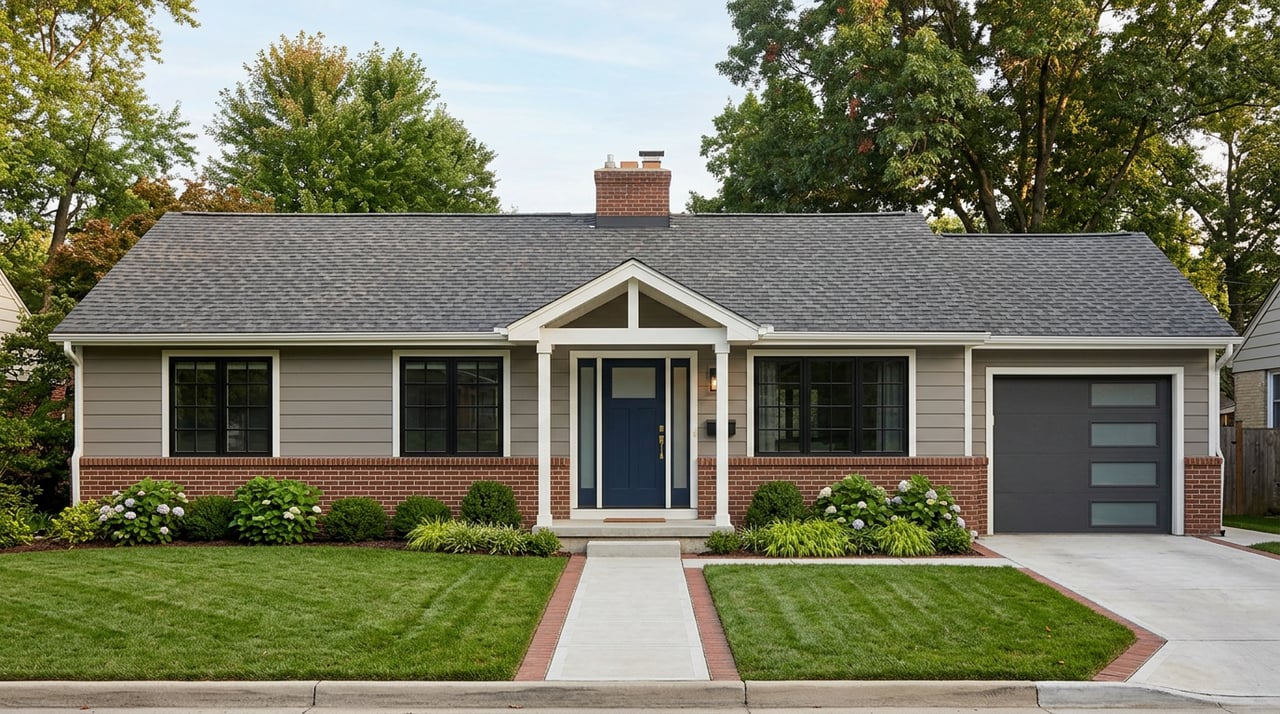
Single-level homes are a strong fit if you want easier movement through the home and fewer future remodeling concerns. Medford’s housing strategy specifically notes the local need for physically accessible housing near services, which makes one-level living a practical option for many households.
If you are comparing homes, look beyond the “single-story” label. Pay attention to entry steps, hallway width, bathroom layout, parking access, and how easy the home would be to navigate over time.
Condos
Condos can reduce exterior maintenance, which is often one of the biggest reasons people downsize. If you are tired of roof upkeep, landscaping, or larger lots, a condo may offer a simpler ownership experience.
At the same time, you need to budget for the full monthly cost. Condo or HOA dues are usually paid separately from the mortgage, and those dues can range from a few hundred dollars a month to more than $1,000. That means the real question is not just purchase price, but total monthly payment.
Manufactured homes and 55+ parks
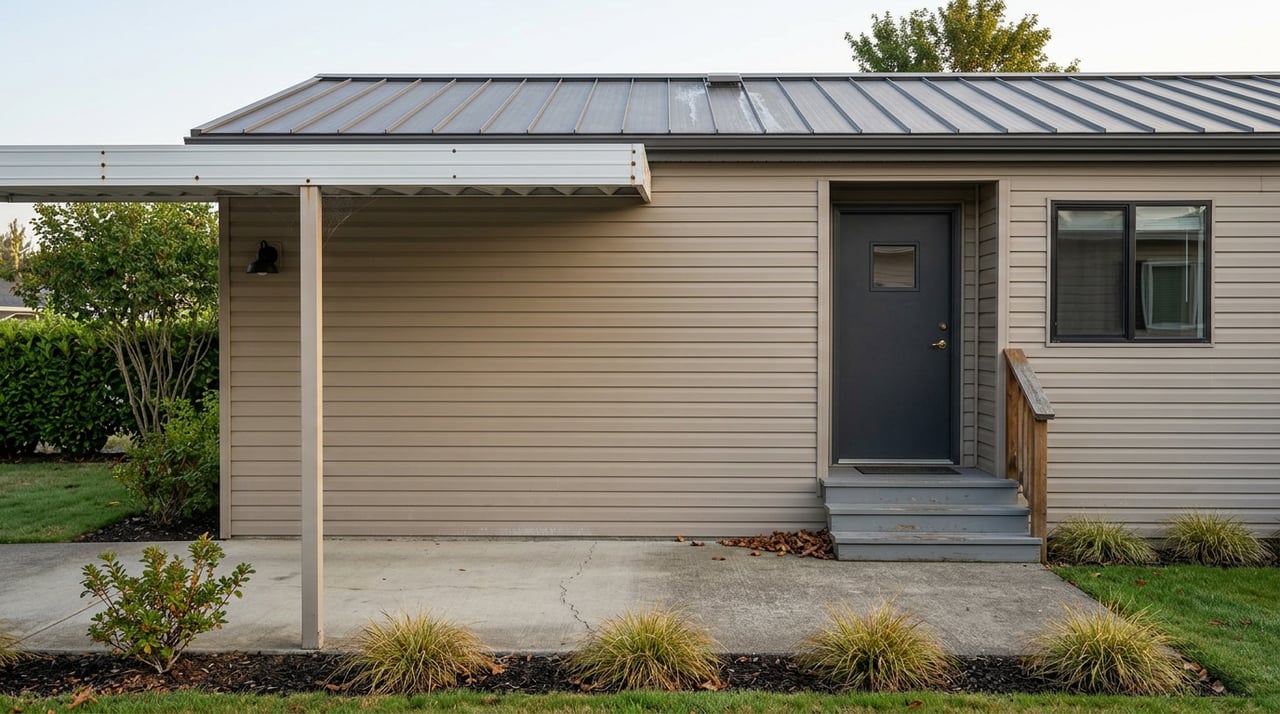
Manufactured homes can be an important downsizing option in the Rogue Valley. Medford’s housing strategy identifies manufactured home parks as a significant local affordable housing asset, with 14 parks and 1,273 spaces inside the urban growth boundary.
The city also identifies several 55+ communities, including Aspens on the Creek, Rogue Valley Meadows, Valley Center Mobile Park, and Weldon Mobile Home Park. For some buyers, these communities offer a more manageable footprint and a lifestyle that feels easier to maintain.
One key detail matters here. Oregon housing guidance notes that manufactured homes often do not include the land, which means you may own the home but lease the space unless the property is fee simple. Before you buy, make sure you understand space rent, park rules, and the full monthly housing cost.
Build a realistic downsizing budget
A good downsizing plan starts with the full picture, not just the sale price of your current home or the list price of the next one. Many homeowners are surprised by how much easier decisions become once they outline all the moving pieces.
Your budget should include:
- Expected sale proceeds from your current home
- Mortgage payoff, if any
- Property taxes and insurance on the next home
- HOA dues or space rent, if applicable
- Moving costs
- Immediate repairs or updates before selling
- Storage, temporary housing, or overlap costs if timing does not line up perfectly
This step is especially important if your goal is to lower monthly expenses. A smaller home does not always mean a lower monthly payment once dues, rent, taxes, or maintenance are added in.
Plan the sale and purchase timing
One of the hardest parts of downsizing is coordinating two transactions without adding unnecessary stress. In a balanced Medford market, there is no single best way to do it. The right path depends on your comfort with timing, finances, and flexibility.
Selling first
Selling first gives you the clearest budget for your next move. You will know what your home actually sold for, what your net proceeds look like, and how much you can comfortably spend.
The trade-off is that you may need temporary housing if you do not find your next home right away. For some homeowners, that extra move is worth the reduced financial uncertainty.
Buying first
Buying first can make the transition smoother if you want to move once and settle in without a gap. This option can work well if you need time to sort, donate, or stage your current home after moving out.
The challenge is financial overlap. If you need to buy before your current home sells, a bridge loan may be one possible tool. This type of short-term financing is generally used for 12 months or less while you buy a new home and plan to sell the old one within that same period. If you go this route, ask your lender detailed questions about costs and qualification standards.
Closing both around the same time
Coordinating both closings can reduce disruption, but it requires careful scheduling and strong communication. Even when timelines line up on paper, delays can happen with inspections, financing, title work, or repairs.
That is why downsizers often benefit from starting early. The more time you give yourself to prepare your current home and watch the market for the next one, the more options you usually have.
Flag special financial items early
Before you list your home, make sure you identify anything that could affect the sale. A few issues are easier to solve when they come up early rather than right before closing.
For example, Oregon’s property tax deferral program places a lien on the home. The state says deferred taxes, accrued interest, and related fees must be repaid if the account is cancelled or disqualified, and a change in ownership should be reported.
If your home has a reverse mortgage, that also needs early attention. When the home is sold, the reverse mortgage must be repaid. Knowing this upfront helps you avoid last-minute surprises and plan your proceeds more accurately.
Use local support to make the move easier
Downsizing is not only a real estate decision. It can also involve transportation, meals, caregiving support, home modifications, or temporary help while you transition.
Several local organizations in Medford and Jackson County can help you think through those practical needs:
- RVCOG Senior & Disability Services / ADRC offers information, assistance, options counseling, caregiver support, community-living guidance, and help connecting to local services.
- RVCOG Food & Friends provides Meals on Wheels in Jackson and Josephine Counties and also operates senior dining sites.
- RVTD Valley Lift offers ADA paratransit service for people who cannot use fixed-route buses in Medford and nearby Rogue Valley communities.
- ACCESS Food Programs operates more than 30 emergency food pantries across Jackson County, including options that support specific dietary needs.
- Housing Authority of Jackson County provides affordable housing support, housing choice vouchers, and a home-repair loan program for homeowners.
- Rogue Valley Habitat for Humanity offers repair programs in Jackson County, including accessibility-related exterior improvements such as ramps, handrails, and grab bars for eligible homeowners.
- Rebuilding Together Rogue Valley provides critical home repairs and modifications for seniors, veterans, and individuals with disabilities.
- 211info helps Oregon residents connect with local housing, transportation, utility, and support resources when they are not sure where to begin.
These services can be especially helpful if downsizing is tied to mobility, caregiving, budget changes, or the desire to stay independent.
Prepare your current home with purpose
If you are selling a larger home to move into something smaller, preparation matters. You do not need to make everything perfect, but you do want buyers to see the home clearly and understand its value.
Start with the items that have the biggest impact:
- Declutter room by room
- Set aside what you will keep in the next home
- Address deferred maintenance
- Make access and walkways clear
- Simplify furniture layout so rooms feel open
- Gather records for repairs, upgrades, and utilities
This process also helps with your next move. Every box you sort before listing is one less decision to make later.
Protect yourself at closing
As your downsizing plan comes together, do not let the final steps become an afterthought. Before closing on your next home, a final walkthrough helps you confirm the property’s condition and catch surprises before signing.
You should also review your closing documents carefully. These documents are legally binding, so it is worth taking the time to understand the numbers, terms, and any last-minute changes.
A practical plan beats a rushed move
Downsizing in Medford and the Rogue Valley does not have to mean giving something up. In many cases, it means trading extra upkeep for more freedom, better fit, and a home that supports the way you want to live now.
The key is to make decisions in the right order. Start with your goals, compare housing types honestly, map out your budget and timeline, and use local resources when they can make the process smoother. If you want a steady local guide to help you evaluate your options, connect with Rachel White for clear, practical support tailored to your next move.
FAQs
What does downsizing in Medford usually mean for homeowners?
- Downsizing in Medford often means moving to a home with less upkeep, a simpler layout, lower monthly costs, or better access to services and transportation.
What housing types should downsizers consider in the Rogue Valley?
- Common options include single-level homes, condos, and manufactured homes or homes in 55+ parks, depending on your budget, maintenance goals, and preferred living setup.
What should Medford downsizers know about manufactured homes?
- In Oregon, manufactured homes often do not include the land, so you may own the home and lease the space unless the property is fee simple. Be sure to review space rent and community rules before buying.
How should homeowners coordinate selling and buying during a Medford downsizing move?
- Many homeowners choose to sell first, buy first, or coordinate both closings at once. The best option depends on your finances, timing needs, and comfort with temporary housing or overlapping costs.
What special financial issues can affect a downsizing sale in Oregon?
- Property tax deferral liens and reverse mortgages can affect a sale, so those items should be identified early to avoid surprises during closing.
What local resources can help with downsizing in Jackson County?
- Helpful local resources include RVCOG Senior & Disability Services, RVTD Valley Lift, ACCESS Food Programs, the Housing Authority of Jackson County, Rogue Valley Habitat for Humanity, Rebuilding Together Rogue Valley, and 211info.
What should buyers do before closing on a downsizing home?
- Before closing, you should complete a final walkthrough and carefully review the closing documents so you can confirm the property condition and understand the final terms.